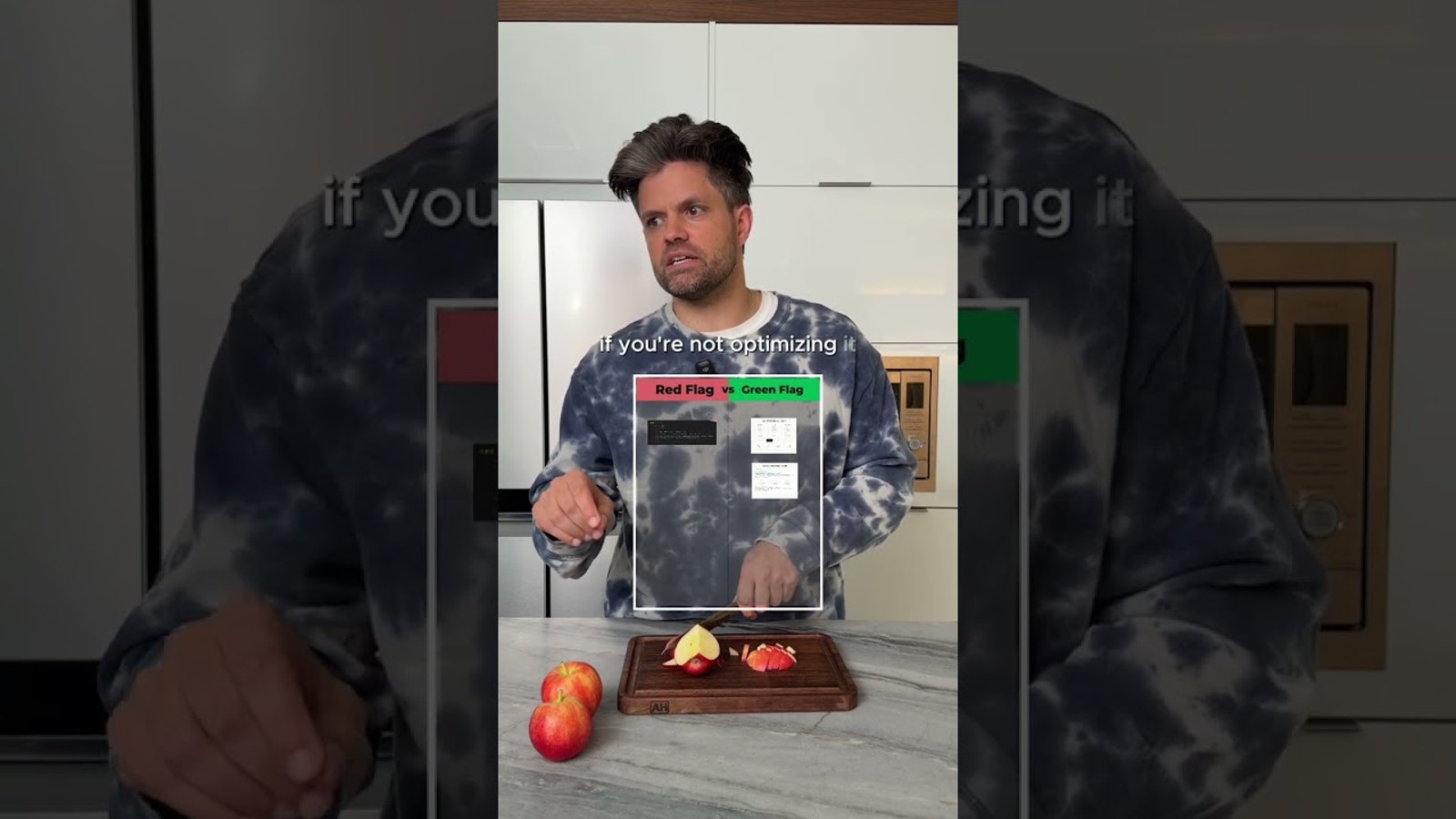
White hat vs black hat SEO is the line between following Google's spam policies and trying to game its rankings. For a local business, the risky tactics are fake reviews, keyword stuffing, paid links and a padded Google Business Profile name. In a short video on SEO green flags and red flags, I rate common practices like cloaking, structured data and internal linking.
What is the difference between white hat vs black hat SEO?
White hat SEO earns rankings by helping searchers, and black hat SEO tries to trick Google. Google's spam policies define spam as techniques used "to deceive users or manipulate our Search systems into featuring content prominently". Use that sentence to test any tactic before it touches your site.
One business owner asked in a Trustpilot review for help to "make a new website show up in Google searches". Both approaches chase that result. Only one of them is built to keep it.
The difference shows up over time. A white hat page keeps its value as Google gets better at spotting spam. A black hat tactic can work until Google catches it, and then the page can drop.
Why black hat SEO puts a local business at risk
Black hat SEO puts a local business at risk because Google can demote or drop a site that breaks its spam policies. Google's Manual Actions help page says affected pages can be "ranked lower or omitted from search results". Check your site against those policies before a reviewer does.
Google says it finds spam through "automated systems and, as needed, human review that can result in a manual action". Sites that break the rules "may rank lower in results or not appear in results at all".
The risk reaches past the website. One owner wrote on Trustpilot that "our profile was suddenly suspended" a few days after giving an agency access. The review does not say why, but it shows how fast a Business Profile can go dark.
The black hat SEO tactics Google's spam policies name
Google names each practice on its spam policies page. It added three new policies on March 5, 2024: expired domain abuse, scaled content abuse and site reputation abuse. The list below covers the ones a local business site is most likely to meet.
-
Keyword stuffing, including lists of phone numbers or blocks of cities a page is trying to rank for.
-
Doorway abuse, such as pages aimed at specific cities or regions that all funnel visitors to one page.
-
Link spam, including buying or selling links for ranking purposes and excessive link exchanges.
-
Scaled content abuse, meaning many pages made mainly to rank, "no matter how it's created".
-
Cloaking, which shows search engines different content than people see.
-
Hidden text and links, such as white text on a white background.
-
Expired domain abuse, where someone buys an old domain to borrow its reputation for unrelated content.
-
Sneaky redirects that send people somewhere other than the page Google saw.
Black hat SEO examples on local business websites
City pages that say the same thing
A page for every nearby town with only the city name swapped matches Google's doorway abuse examples. Build each location page around real work, staff or details in that area.
Keyword-stuffed footers and service lists
Blocks of town names, repeated service phrases and lists of phone numbers match Google's keyword stuffing examples. Name each place and service once, where it helps the reader.
Paid links and link networks
Paying for links, swapping links in bulk, or renting space on a private blog network (PBN) is link spam. Earn backlinks from local partners, suppliers, associations and press instead.
Hundreds of thin AI pages
Pumping out pages with AI to cover every keyword fits scaled content abuse. Publish fewer pages, each one answering a real customer question with details only you know.
Fake review stars in your markup
Google's structured data guidelines say not to mark up fake reviews or content readers cannot see. Keep review stars in your schema tied to real reviews shown on the page.
Hidden text and cloaking
White text on a white background, or showing Google a different page than visitors see, are both named policies. If a visitor cannot see it, do not write it for Google.
Google Business Profile tactics that get a business penalized
Google's Business Profile rules sit apart from its website spam policies, and breaking them can cost you the profile. Google's profile guidelines say extra words in your business name "could result in the suspension of your Business Profile". Keep the name as it appears on your storefront, website and stationery.
The common black hat moves are a business name padded with keywords or a city, and an address at a virtual office. Google says a virtual office "isn't eligible for a Business Profile", and P.O. boxes at remote locations aren't acceptable either.
One owner on r/smallbusiness noticed that ranking had become "more dependent on Google Business Profile factors". That makes the profile, and your place in the Map Pack, worth protecting. For a rules-first approach, see how Google Business Profile optimization works.
Fake reviews are black hat SEO with legal risk
Paid, incentivized or selectively gathered reviews break Google's rules, and fake reviews can also break federal law. Google's Maps content policy bans reviews "that have been paid for, directly or in kind". It also bars businesses from offering discounts or free services in exchange for a review.
The same policy says a business should not "selectively solicit positive reviews from customers". That rules out review gating, where only happy customers get the review link. Ask every customer for a review the same way, happy or not.
The FTC's final rule, announced August 14, 2024, bans fake reviews and paying for reviews that must express a particular sentiment. It also covers undisclosed insider reviews and lets the FTC seek civil penalties against knowing violators. Any reputation management program you run should stay inside both sets of rules.
The white hat SEO work that keeps a local business ranking
These are the green flags from my short video, plus the local SEO basics a service business controls.
-
Internal links that connect each service page to related pages, the way a wiki connects its articles.
-
Clear title tags and meta descriptions written for the main search each page targets.
-
Pages that match search intent and use the words your customers use.
-
Honest structured data that describes only what is visible on the page.
-
One strong service page per service, with real details, photos and answers.
-
A Business Profile that matches your real name, address and hours.
-
Reviews requested the same way from every customer.
-
Links earned from local partners, suppliers, associations and press.
What is gray hat SEO?
Gray hat SEO is a tactic no rule names yet that still aims to manipulate rankings. Google's spam policies say "Google may act against any type of spam practices we detect". Treat gray hat as black hat that has not been written down yet.
Sellers often call a tactic gray hat when it sits close to a named policy. A few "partner" link swaps or near-copy city pages are common examples. Google already lists excessive link exchanges under link spam.
Ask which policy a tactic sits next to before you approve it. If the honest answer is "that one, but nobody gets caught", you have your answer.
Does black hat SEO still work?
Black hat SEO may work for a while, but Google keeps adding rules to catch it. On March 5, 2024, Google announced three new spam policies "against bad practices we've seen grow in popularity". Build for the long term, because today's tactic can be named in a policy tomorrow.
One owner on r/smallbusiness described the white hat trade well. "Initially, you have to wait for a while but once you start to rank, you get your money back."
Be careful with anyone who promises fast page one rankings. Nobody controls Google's results, so a fast promise is a reason to ask which tactics they plan to use. To see how rivals earned their spot the right way, read why competitors outrank you.
How to check whether Google has penalized your site
- Open the Manual Actions report in Google Search Console and see whether it lists any issue.
- If it does, note which pages are affected and which spam policy the issue names.
- Fix the issue on every affected page, beyond the sample pages the report shows.
- Select Request Review and describe your fixes in the reconsideration request.
- Expect a wait. Google says most reviews take "several days or weeks", and link issues can take longer.
- If the report is clear but calls dropped, check your Business Profile and run an SEO competitor analysis.
White hat SEO services for local businesses
I run SEO services that stay inside Google's spam policies, its Business Profile guidelines and the review rules above. A good first step is the check in this article: compare your site, profile and reviews against each published rule.
Talk to Spearleaf about SEO services
Joshua Albanese is the founder of Spearleaf, a Fort Myers SEO and AI search optimization agency. He has built six service businesses from zero using organic content and SEO.
- Start here: local SEO mistakes that hold rankings back.
- Then read: how to get more calls from your Google Business Profile.
- Track it: the local SEO metrics that matter.